Print-Ready Workouts for Remote Team Soft Skills

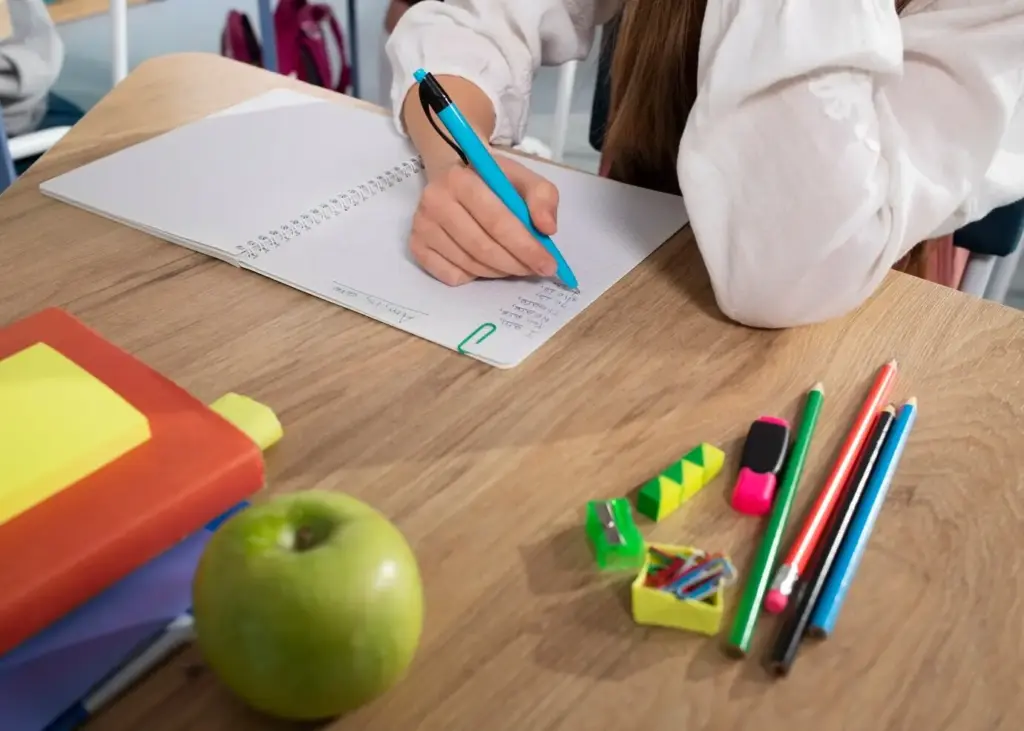
Today we explore Printable Remote Team Soft Skill Activities with Facilitator Notes, bringing practical, human-centered exercises to distributed teams that crave clarity, connection, and momentum. Expect clearly labeled preparation steps, timing guidance, and debrief prompts, plus printable worksheets adaptable for video calls or hybrid setups. Download, share, and try them this week, then tell us what worked, what surprised you, and which variations your team invented so others can learn too.

Start Strong: Setting Norms and Energy

Give your next virtual workshop a confident lift-off using ready-to-print sheets that set expectations, establish inclusive engagement cues, and warm up attention. Clear facilitator notes outline timing, screen-sharing tips, breakout sizes, and gentle prompts that reduce awkward silences. Real teams report better participation and fewer derailments when everyone understands handoffs, listening turns, and how to use mute, chat, and reactions with purpose from the first minutes.

Communication That Truly Lands

Remote collaboration thrives when messages are concise, considerate, and confirmable. These printables and facilitator notes coach clear requests, active listening, and verification loops that reduce costly rework. You will get step-by-step prompts, time boxes, and debrief questions that turn vague statements into concrete next actions. Expect improvements in written handoffs, video call clarity, and inclusive participation, especially for colleagues who prefer processing ideas quietly before speaking.

Latency Listening Lab

Pairs use a printable script to practice pause discipline, acknowledging network delays before responding. Facilitator notes include a simple hand signal guide, thirty-second reflection pauses, and a checklist for paraphrasing. The debrief examines how interruptions escalate tension online and how intentional gaps invite fuller thinking. One support team reported a measurable drop in escalations after adopting this practice during weekly coaching circles with distributed agents and leads.

Plain-Language Rewrite Sprint

Small groups pick a confusing message from real work and rewrite it on a printable clarity grid emphasizing audience, outcome, and next step. Facilitator notes include timing, criteria, and a rotating editor role. Participants compare versions, test with a neutral reader, and extract heuristics for future use. The debrief highlights empathy for readers, cognitive load, and how brevity paired with specificity improves asynchronous alignment across continents.

Trust and Psychological Safety at a Distance

Red, Yellow, Green Check-In

Participants hold up or screen-share a printable color card to signal bandwidth for the day. Facilitator notes cover confidentiality, pacing, and prompts to request help without oversharing. The debrief asks what support looks like practically and how workload can flex. Over months, teams notice earlier risk surfacing, fewer last-minute scrambles, and a shared language that treats stress as data rather than a personal failing to hide.

Commitment Canvas

Colleagues capture one measurable promise for the week on a printable card, including blockers and a help request. Facilitator notes guide realistic scoping, public reads, and midweek nudges. The debrief focuses on nonjudgmental learning when promises slip. A product trio reported steadier delivery after embracing small, explicit commitments, while a distributed NGO praised how this ritual balanced autonomy with gentle peer accountability across very different working conditions and schedules.

Peer Shout-Out Postcards

Teammates print simple postcards and mail or scan them to celebrate helpful behaviors: clear notes, kind rewrites, or thoughtful reviews. Facilitator notes suggest monthly ceremonies, inclusive categories, and rotating nominators. The debrief examines the difference between performative praise and specific, credible appreciation. Remote engineers say these postcards outlast chat kudos, reshaping norms toward everyday helpfulness. Leaders often pin them in virtual spaces to spotlight the craft of collaboration continuously.

Navigating Conflict and Caring Feedback

Disagreements are inevitable, especially across time zones and text-heavy channels. These activities use structured printables and careful facilitator notes to slow hot moments, reveal assumptions, and craft requests that people can accept without defensiveness. You will rehearse language, map misunderstandings, and co-create options. Debriefs invite reflection on dignity, equity, and repair. Remote teams grow more confident addressing friction early, preventing message spirals and protecting momentum during complex, interdependent work.

Ladder of Inference Map

Using a printable ladder, partners reconstruct a tense exchange step by step, from data to meaning to action. Facilitator notes provide grounding rules, timeboxes, and prompts that separate observations from stories. The debrief reveals how quick jumps breed conflict, especially in asynchronous channels. One marketing squad uses this monthly, reporting fewer Slack flare-ups and a shared habit of asking which rung they each stood on before reacting publicly.

Blameless Postmortem Roleplay

Teams enact a recent miss with printable role cards: facilitator, scribe, customer, skeptic, and growth scout. Notes clarify psychological safety, time constraints, and outcome framing. The debrief centers on systemic factors and next experiments, not heroes or villains. Remote ops teams say this ritual converts anxiety into curiosity, turning scary incidents into shared case studies. Over quarters, they accumulate practical guardrails alongside stronger, calmer relationships under pressure.

Nonviolent Request Rehearsal Cards

Participants practice observations, feelings, needs, and requests using printable prompts and sentence frames. Facilitator notes ensure consent for roleplay, offer camera-off options, and suggest pauses to regulate emotions. The debrief checks for specificity and doability, then gathers helpful phrasings into a living library. Distributed designers appreciate how this makes tough asks less risky, unlocking faster iteration cycles without resentment or the silent disengagement that so often follows unclear feedback.

Cross-Cultural and Time-Zone Collaboration

Culture Swap Bingo

Participants complete a printable bingo card featuring work-style curiosities like meeting openers, lunch customs, or decision habits. Facilitator notes encourage storytelling, opt-outs, and respectful curiosity. The debrief captures new norms worth trying and highlights words that translate poorly. A global analytics group found this playful session dramatically improved handover notes, because teammates finally understood what felt rude, rushed, or vague across languages and adjusted their writing accordingly.

Time-Zone Tradeoffs Map

A printable world clock map helps teams choose fair meeting windows and codify rotating inconveniences. Facilitator notes include calendar templates, no-meeting blocks, and async alternatives. The debrief documents clear rules for emergencies and handover protections. Nonprofit coalitions report immediate relief as sleep and family time become sacred again. Clear tradeoffs reduce resentment and improve decision speed, because people trust that short-term sacrifices are shared, intentional, and transparently revisited regularly.

Async Brainwriting Sheets

Teammates ideate on printable grids asynchronously, then converge live with read-aloud rounds. Facilitator notes cover time-boxed collection, anonymity options, and cluster mapping. The debrief celebrates novel combinations and credits contributors visibly. Introverts and non-native speakers often contribute more ideas this way, while extroverts appreciate faster synthesis. Product groups using brainwriting report fewer meeting marathons and better proposals, because the best thinking has time to emerge before debate starts loudly.

Measure, Sustain, and Celebrate Progress

Soft skills strengthen with repetition and reflection. These printables and facilitator notes help you capture signals, schedule small experiments, and celebrate habits that stick. Expect simple trackers, debrief dice, and peer coaching loops that maintain momentum after the workshop buzz fades. Invite your team to share results, comment with tweaks, and subscribe for new printables. The goal is practical progress visible in calmer meetings and clearer handoffs.
Lentozavovexodari
Privacy Overview

This website uses cookies so that we can provide you with the best user experience possible. Cookie information is stored in your browser and performs functions such as recognising you when you return to our website and helping our team to understand which sections of the website you find most interesting and useful.